PORT LOUIS, 27 MAY 2026 - Mauritius has built genuine momentum at the front end of its startup ecosystem. The next structural gap sits in the hard middle - the moment when founders leave incubation and have to reach market, build a team and raise capital on their own merits.
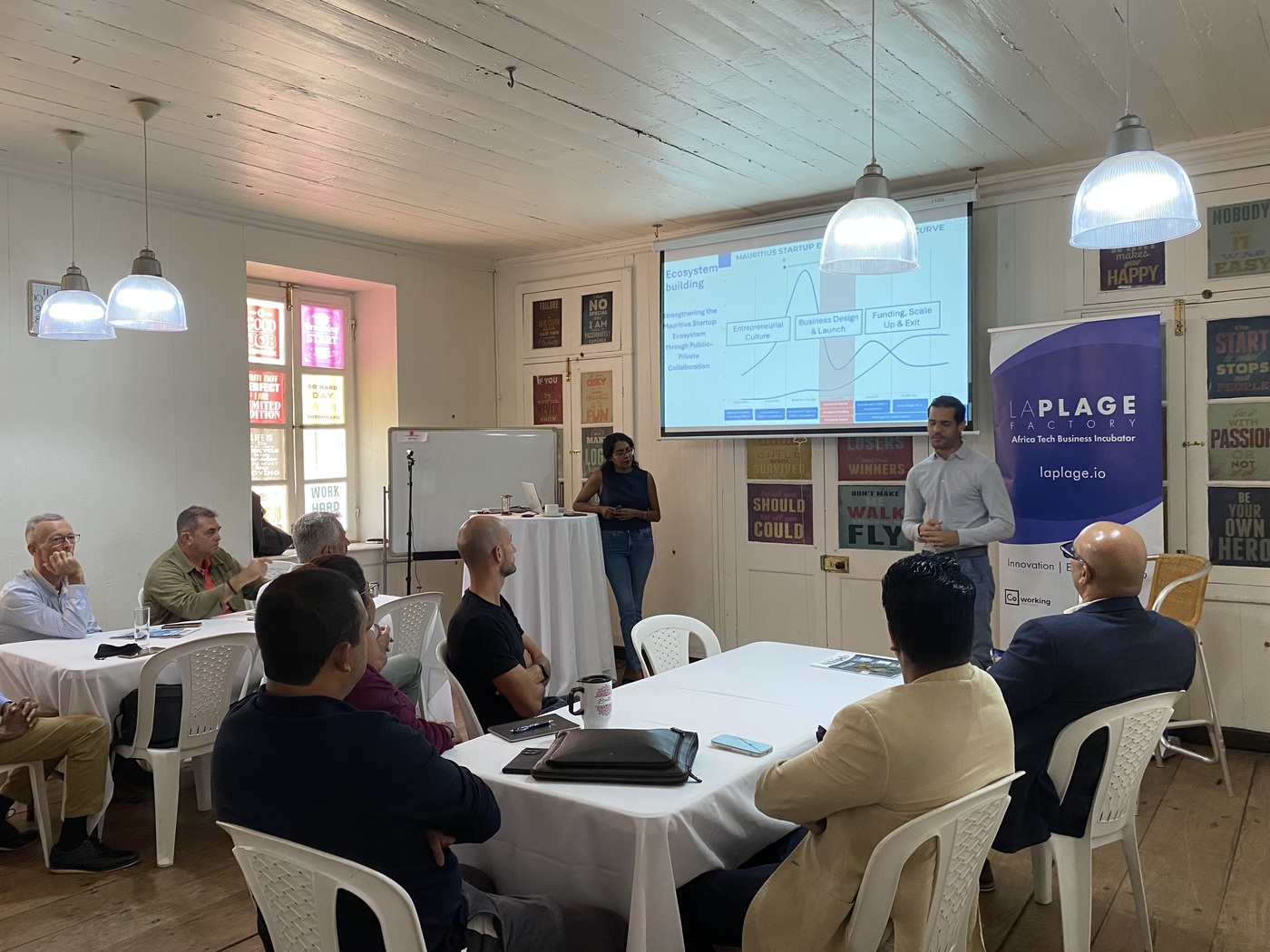
That was the central thread to emerge from an exchange on Innovation & Entrepreneurship convened by La Plage Factory (LPF) on the Friday 15th May 2026 to engage stakeholders in looking at the Mauritian startup ecosystem as it functions today, across its full lifecycle. The session brought together media representatives, founders, mentors and ecosystem partners to align on what is progressing, where the system still breaks down, and what role each actor can realistically play to better support entrepreneurs actively looking to launch and develop their startups.
An ecosystem that has moved, measured on its own terms
La Plage Factory showcased how Mauritian innovation moves through three connected phases: entrepreneurial culture (inspiration and education), business design and launch (incubation and the move to market), and funding, scale-up and exit (growth capital and the eventual exit).
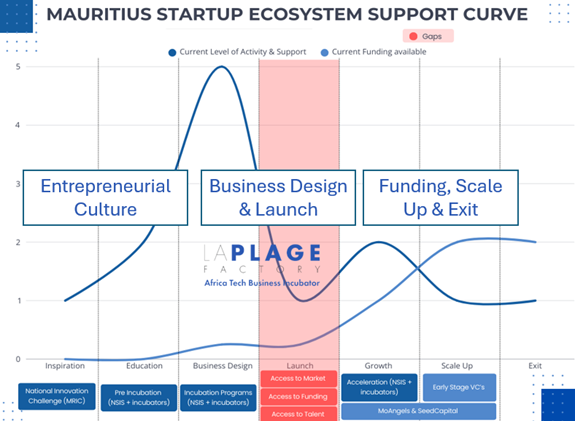
Measured on its own terms, the ecosystem has visible momentum: over 350 companies through incubation locally, six active incubators currently operating, a strengthening base of mentors, angels, seed capital and early-stage venture capital, and a National AI Strategy launched in April 2026.
Ambition in the room was unambiguous, participants want to see Mauritian unicorns emerge from this ecosystem, but they also argued that benchmarking a young ecosystem against Silicon Valley distorts the picture and underestimates real gains along the way. The more useful frame would be regional: Mauritius is a small local market, but the Indian Ocean and East/Southern Africa corridor is where scale, capital and market access become real.
Mauritian startups can be a strong value-for-money proposition for regional investors, who bring market networks alongside capital. The Mauritian diaspora, both as a source of capital and as a route into international networks, was singled out as a strategic asset being engaged deliberately.
Reviewing current support mechanisms in the startup ecosystem
Two streams of support carry Mauritian startups today: one public, channelled through government schemes; the other private, channelled through corporate and bank partnerships.
The public anchor of this apparatus is the National SME Incubator Scheme (NSIS), spearheaded since 2017 by the Mauritius Research and Innovation Council (MRIC), which channels support to incubators in accompanying entrepreneurs across the country.
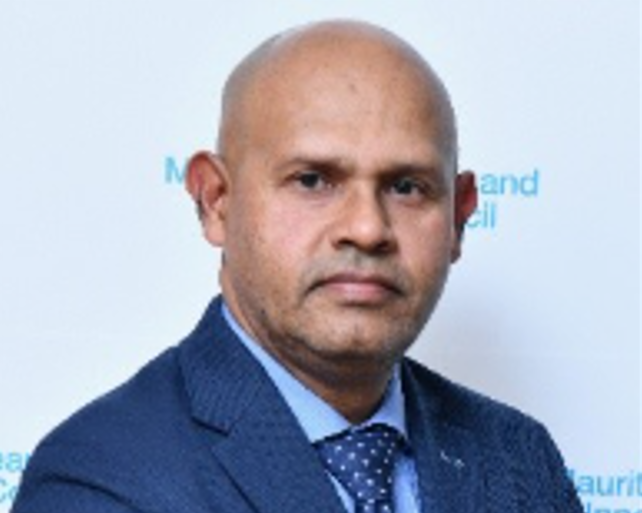
 “Since 2017, the National SME Incubator Scheme (NSIS) spearheaded by the Mauritius Research and Innovation Council (MRIC) has helped strengthen the startup ecosystem of Mauritius through targeted support to entrepreneurs and incubators. Building on this momentum, the Government is considering new measures to drive innovation, expand outreach, strengthen global partnerships, and improve startup sustainability.”- Dr Vickram Bissonauth, Research Coordinator, Mauritius Research and Innovation Council
Alongside this public infrastructure, corporate partnerships have become a structural component of incubation programmes. La Plage Factory's current Growth & Innovation (G&I) Incubation cohort is, for instance, delivered with the support of MRIC through NSIS for incubation and acceleration, and support of Punch by MCB as the principal corporate sponsor of the incubation phase.

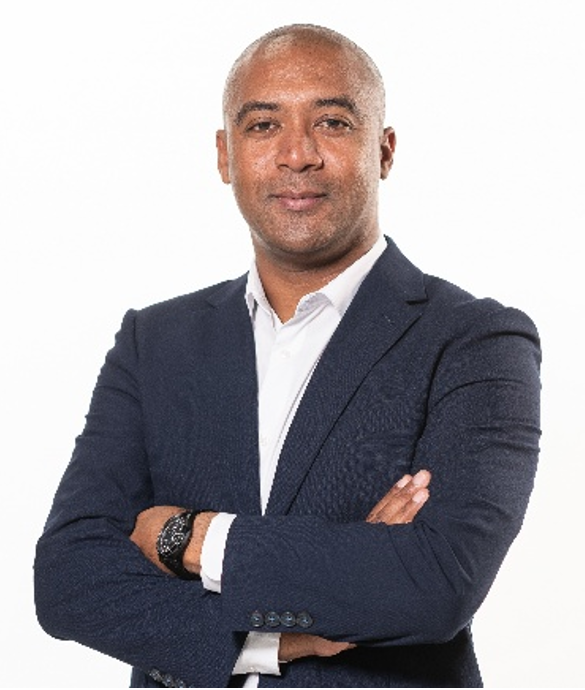 “At MCB, we believe that building a resilient and future-ready economy goes beyond financial performance, it requires actively enabling entrepreneurship, innovation, and ecosystems to thrive.
Through our Success Beyond Numbers strategy, we are committed to play a meaningful role in strengthening the entrepreneurial landscape in Mauritius. Our partnership with La Plage Factory reflects this ambition, particularly in supporting high-potential ventures as they transition from incubation to commercially viable, scalable businesses, and in empowering the next generation of entrepreneurs with the right tools to succeed.
By backing this cohort, we aim to contribute to closing key gaps within the ecosystem, facilitating access to networks, expertise, and growth opportunities.” - Bernard Lubois, Strategy and Projects Manager | Business Banking at Mauritius Commercial Bank.
Recent cohorts (including the Growth & Innovation Incubation programme supported by Punch by MCB) reflect rising selectivity and maturity. La Plage Factory is direct about the implication: raising the bar at incubation also raises new demands on everything that has to catch ventures on the other side of Launch.
Where activity and funding both collapse: the post-Launch valley
The first gap sits early in the cycle, namely at the level of entrepreneurial culture. Entrepreneurship is still not a default or socially encouraged career path for most Mauritians. Risk aversion, persistent stigma around failure, and limited early exposure continue to shape who attempts to build ventures, and how early those attempts begin.

 “Further to our discussions, my core focus lies in strengthening the connection between startups and education. The more we succeed in fostering entrepreneurship, innovation, and Tech4Good among young Mauritian students—from primary to secondary school—the more we will cultivate a sustainable startup ecosystem in Mauritius.
However, this effort, while essential, is not sufficient on its own. Local higher education must also address the evolving needs of Mauritian companies (SMEs, Startups, Group) by enhancing students’ adaptability, offering greater flexibility in training programs (given the rapid pace of technological change), and ensuring higher employability.” - Frédéric Waeber, CEO, INSYNIUM Ltd and Holberton School (Mauritius) Ltd
The second (and most frequently cited) gap appears immediately after incubation. We observe that activity and support mechanisms peak during the Minimum Viable Product (MVP) Design phase, when the public-private incubation apparatus is at its strongest.
Three structural barriers sit specifically inside that valley, and they compound one another: without customers, capital remains cautious; without capital, teams struggle to hire; without talent, scaling stalls.
- Access to market: both domestically in a constrained local market, and into the regional corridor where scale becomes possible.
- Access to capital: a thin layer of pre-seed and seed financing at the precise moment ventures are leaving incubation but have not yet reached the threshold for early-stage VC.
- Access to talent: specialist skills and senior operators in short supply, in a labour market shaped by the same cultural pressures described above.
A third structural issue is geography and scale. Mauritius’ local market is limited by definition. For many startups, meaningful growth depends on early engagement with the Indian Ocean region and East and Southern Africa (which requires networks, credibility and partners beyond Mauritius), not simply more local programmes. Unlike some regional comparators such as Madagascar, Mauritius also lacks clear national-level sector prioritisation, which makes it harder to channel public and private support coherently behind the verticals best placed to travel.
Layered on top of these gaps is a language problem that shapes policy, investment and media narratives alike: the persistent conflation of startups, entrepreneurs and SMEs. There is no shared language across institutions, banks, ministries and the public, and the three terms are used interchangeably. The most useful distinction is not age or turnover, but business model and intent: a startup is built around an innovation and set up to validate a scalable model, with technology typically driving unit cost down as customers are added; an SME generally operates a proven model, with each additional customer adding cost. Without that clarity, policy, investment and storytelling end up talking past each other.
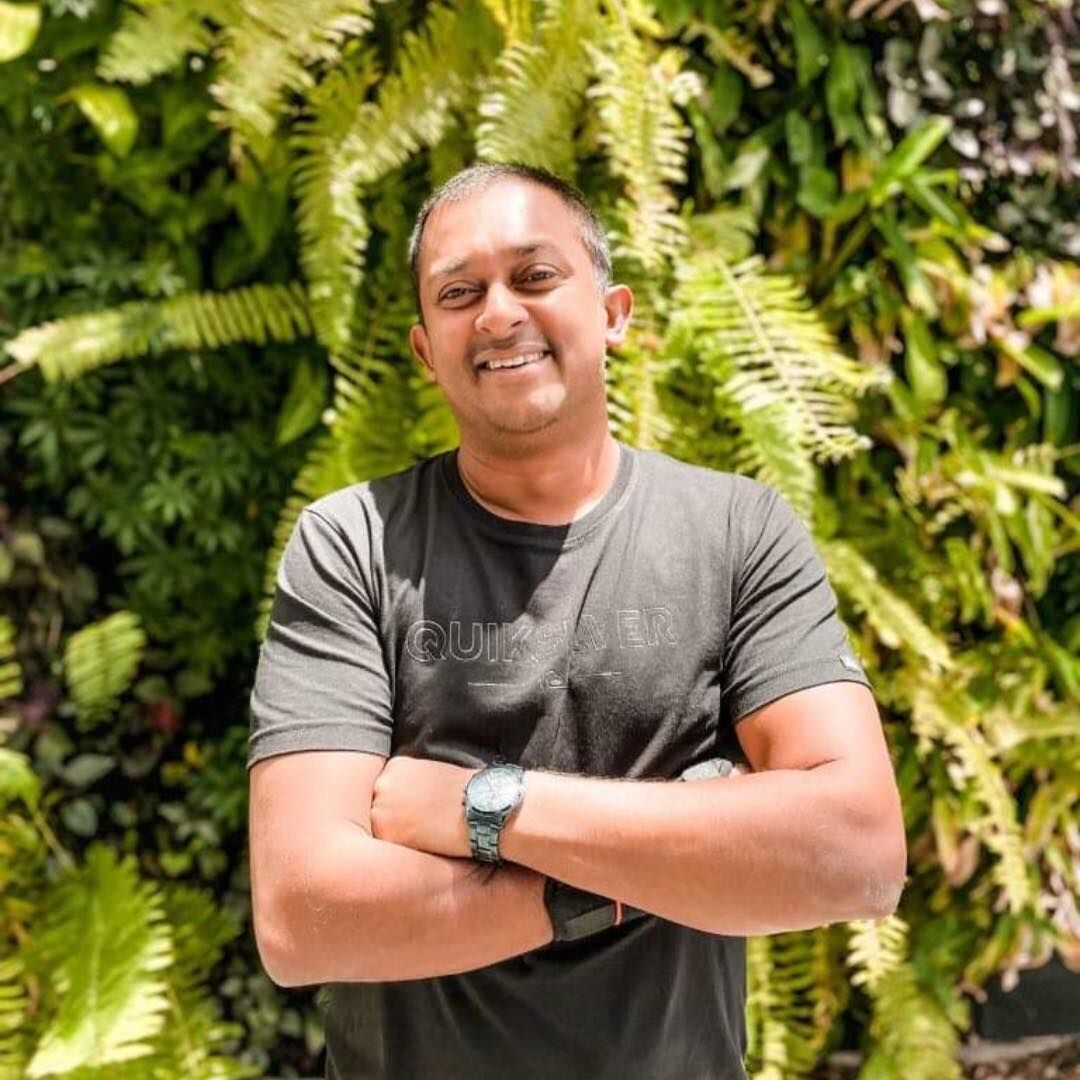
 “Startup or SME? Typical criteria like revenue and headcount miss what really matters. I like to see it through 2 specific lenses: mindset (lean, appetite for experimentation etc.) and whether the business runs on its own revenues or still leans on investment. The catch although is the loop: as revenues grow, the system reclassifies you! Compliance stacks up, Banks give you a label, and the startup mindset starts to erode because the cost of staying scrappy has gone up. The real question, IMHO, isn't "startup or SME?", but how much of the startup mindset you want to keep.” - Ajmal Saifudeen, Founder, Enterprise Architects Ltd
Closing the gap: a set of initiatives mapped to where the curve dips
La Plage Factory operates across the full ecosystem cycle, and its current strategic focus is the post-Launch valley. The programmes underway and those being piloted map directly onto specific points where the curve weakens.
At the culture end, work on entrepreneurial mindset (the entrepreneur podcast, La Fresque de l’Esprit d’Entreprendre, and VC-readiness workshops) aims to keep entrepreneurship in view as a legitimate career path before founders even enter incubation.
At the Launch threshold, the commercialisation pilot run with the Mauritius Research and Innovation Council bridges ventures from validated business models to first paying customers. A venture studio model is being tested with current acceleration cohorts, providing not just advice but the execution capacity (financial modelling, go-to-market, sales infrastructure) that early teams typically cannot build themselves.
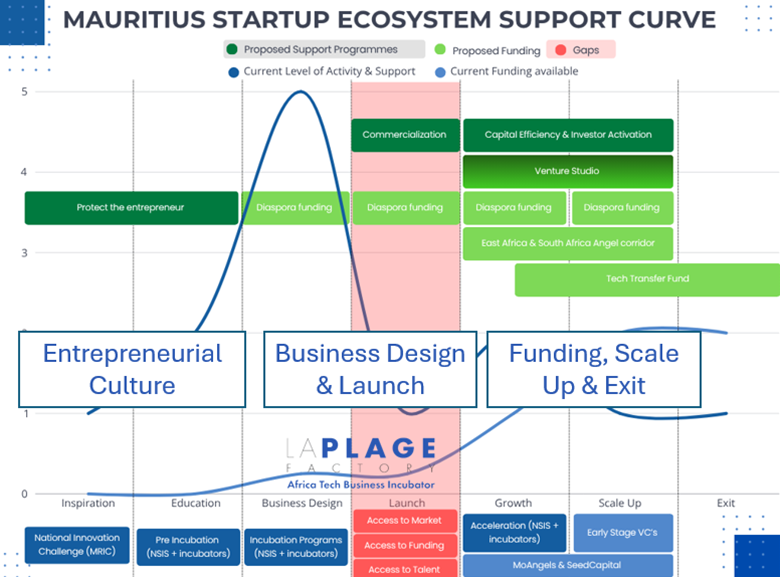
On the capital and market side, La Plage Factory is working to open an East and Southern Africa angel corridor, attracting investors who bring both equity and access to larger markets in a single move. Diaspora engagement extends across the cycle, tapping Mauritian networks abroad for capital, talent and reach.
Public-private partnership underpins all of this. Participants agreed that no single actor (ministry, incubator, bank, corporate or founder) can move the ecosystem alone, and that the work currently underway depends on that collaboration holding.
A coverage gap that mirrors the support gap
The exchange also turned to how the startup ecosystem is currently represented in Mauritian media, and how that representation interacts with the structural issues above. Coverage today is heavily event-driven: launches, prizes, announcements, success stories told as straight lines. What is under-represented is the long middle of the journey: the failures, pivots, mentors and mindset shifts that actually carry founders through the hard middle. The same stretch of the curve that lacks structural support is also the stretch that lacks visible storytelling.
Participants noted a practical signal: many now follow individual founders on LinkedIn rather than traditional outlets, because that is where continuous narrative currently lives. Periodic check-ins, multi-year founder profiles and sector-level perspectives (in both English and French) were identified as concrete openings.

 “As a young entrepreneur, what inspires me the most is not only the success stories, but the journey behind them, the doubts, failures, challenges with market access, financial struggles and mindset shifts that entrepreneurs go through behind the scenes. Too often, we only see the final success story and not the years of resilience and uncertainty behind it.
I believe media should highlight more of the real journey behind success. These honest stories are what truly prepare and inspire the next generation, while making entrepreneurship feel more human, relatable and accessible, especially for young people trying to build something from the ground up in Mauritius.” - Pascaline Lebon, Founder & Digital Learning Strategist, Mindwave Solutions
These findings have since been shared at the ‘Innovation Workshop for Start-Ups’, convened by the Ministry of Information Technology, Communication and Innovation on the 25th May 2026 under the theme of "Ecosystem Building: Strengthening the Mauritius Startup Ecosystem through Public-Private Collaboration." La Plage Factory will continue to convene exchanges of this kind, with the intention of feeding the conversations into broader policy and ecosystem development.
Related

What will the future of AI- powered entrepreneurship look like in Mauritius?

Turn Your Innovation Into Growth
